
How Quality Asphalt Paving Stands Up to Harsh Weather
High-quality asphalt paving is a cornerstone of durable infrastructure, offering resilience against harsh weather conditions. Its significance cannot be overstated as communities around the world seek roads and structures capable of standing the test of time and nature. According to Today's Homeowner, asphalt is one of the most cost-effective driveway materials and can last up to 25 years with proper maintenance, offering a smooth and durable surface. While there are various materials available for paving, asphalt remains the preferred choice due to its cost-effectiveness and sustainability.
The ability of asphalt to withstand varying weather conditions, from blazing heat to cold, depends heavily on the quality of materials and techniques used. Understanding these factors is crucial as they ensure roads remain safe and functional, reducing maintenance costs and prolonging infrastructure life. This article explores the key components of quality asphalt paving and how they contribute to weather resilience.
Additionally, quality paving involves not just material selection but also the techniques and technologies behind their application. These aspects come together to create pavements that are more than just pathways; they are investments towards a safer and more efficient transportation network. By exploring each element, we can understand the crucial role quality asphalt paving plays in modern infrastructure.
Choosing the Right Materials for Resilience
The selection of aggregates is a foundational step in creating durable asphalt. Aggregates provide the necessary structural support and are chosen based on their ability to withstand wear, load, and environmental impact. The right mix of coarse and fine aggregates ensures the pavement distributes stress evenly, minimizing crack formations.
Factors such as angularity, texture, and gradation must be considered when selecting aggregates, as these influence the overall strength and stability of the pavement. Using high-quality, well-graded aggregates can significantly enhance the performance of asphalt pavements, particularly under harsh weather conditions. Therefore, meticulous selection is key to producing a resilient surface.
Notably, aggregates are often locally sourced, which not only supports regional economies but also reduces transportation costs and environmental impact. The efficiency and effectiveness of aggregate selection play a central role in determining the longevity and weather resistance of asphalt pavements. Innovations in material engineering further highlight the importance of optimized aggregate use.
The binder acts as the glue that holds asphalt together, making its selection crucial for weather resistance. High-quality binders are tailored to withstand specific climate challenges, ensuring flexibility in cold conditions and stability in heat. This adaptability is necessary to prevent cracking and deformation, which can occur with temperature fluctuations.
Binders are classified according to performance grades (PG) that define their suitability for various temperature ranges. For instance, areas prone to extreme cold might require binders with a low-temperature grade to prevent brittle failures. Conversely, in regions with high heat, a higher PG binder ensures the asphalt retains its structure.
Advancements in binder technology allow for modifications that enhance their performance characteristics, such as polymer-modified binders. These innovations lead to pavements with improved elasticity and resistance to thermal cracking. Selecting the right binder is crucial for constructing pavements that remain durable over their lifespan, despite challenging weather conditions.
The mix design process involves determining the optimal proportions of aggregates, binder, and other additives to meet specific performance demands. This customization is vital for creating asphalt pavements that can withstand a range of weather conditions. Each mix is designed to balance factors such as workability, durability, and resistance to distress.
Different weather conditions necessitate distinct mix designs; for instance, areas with heavy rainfall might require a mix with enhanced drainage capabilities. The interaction between binder and aggregate is carefully formulated to meet durability specifications, ensuring the pavement can endure both daily use and extreme weather events.
An emphasis on calculated mix designs leads to fewer maintenance requirements and longer pavement life, benefiting both the public and governing bodies managing infrastructure. New methodologies in mix design, including the use of performance-based testing and modeling, improve our ability to create coaxial solutions tailored to environmental demands.
Paving Techniques and Their Impact
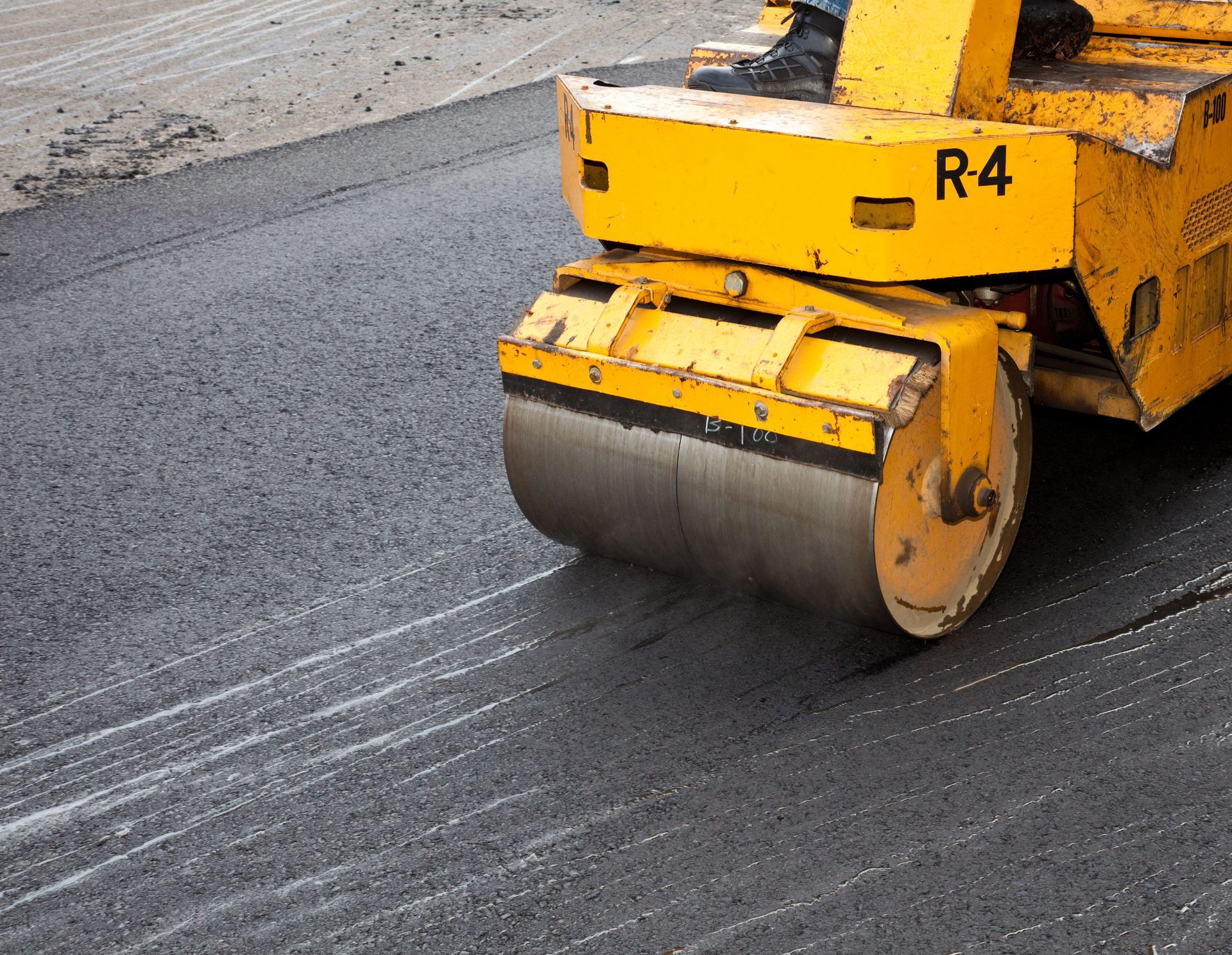
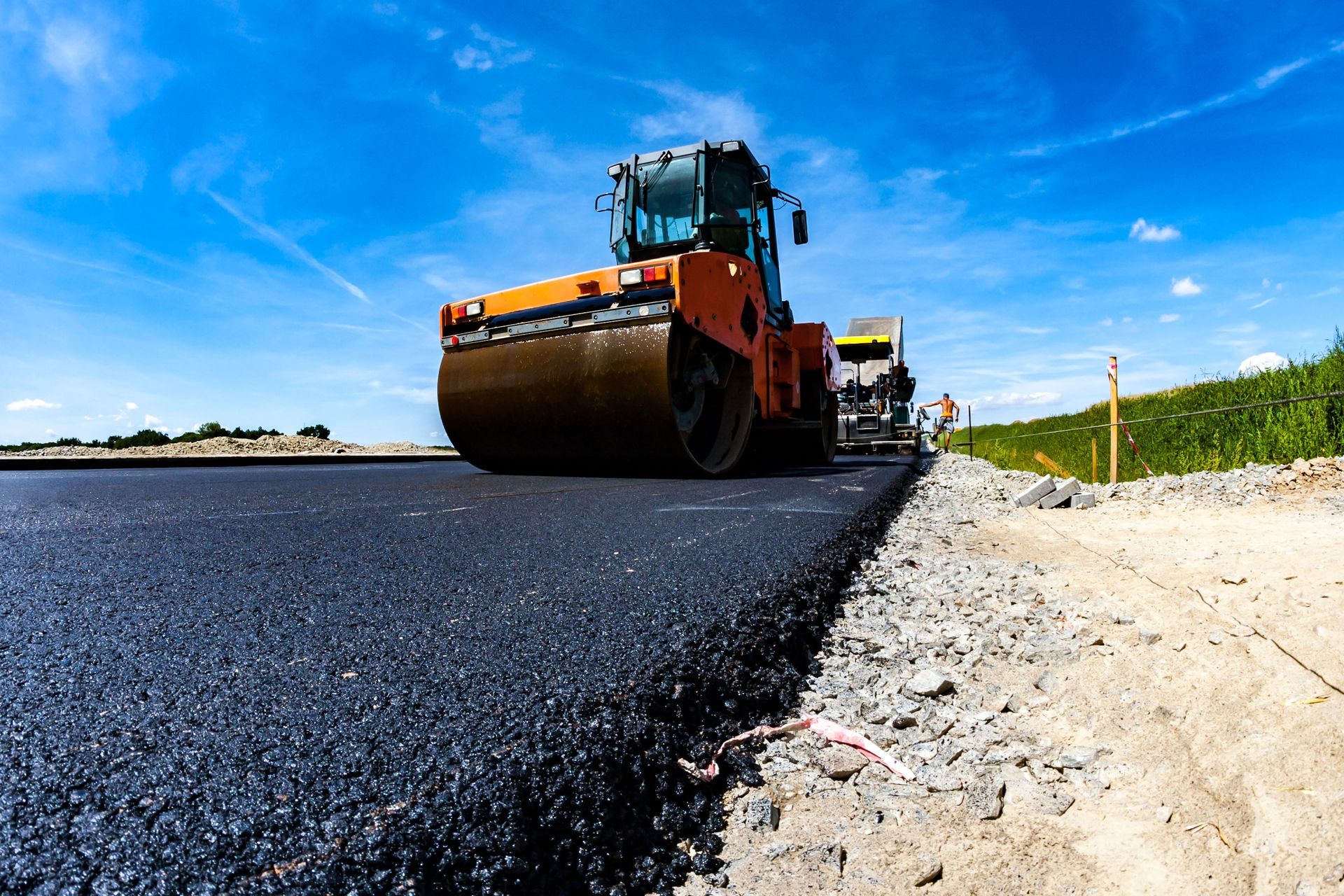
Compaction is a critical element in the construction of durable asphalt pavements. Proper compaction decreases air voids, which are spaces where water and air can infiltrate and cause deterioration. Adequate compaction enhances density, which is essential for asphalt endurance under weather stresses.
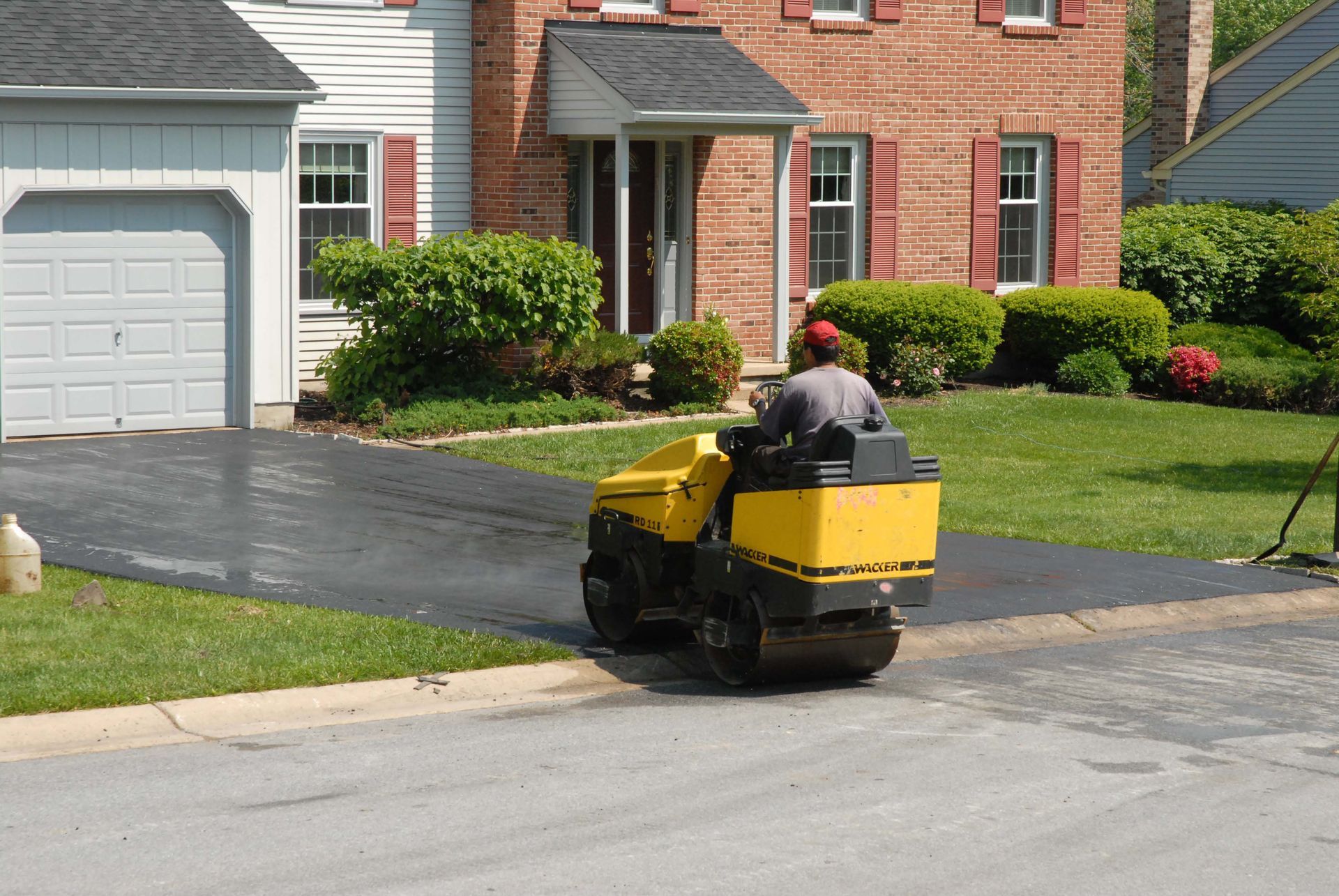
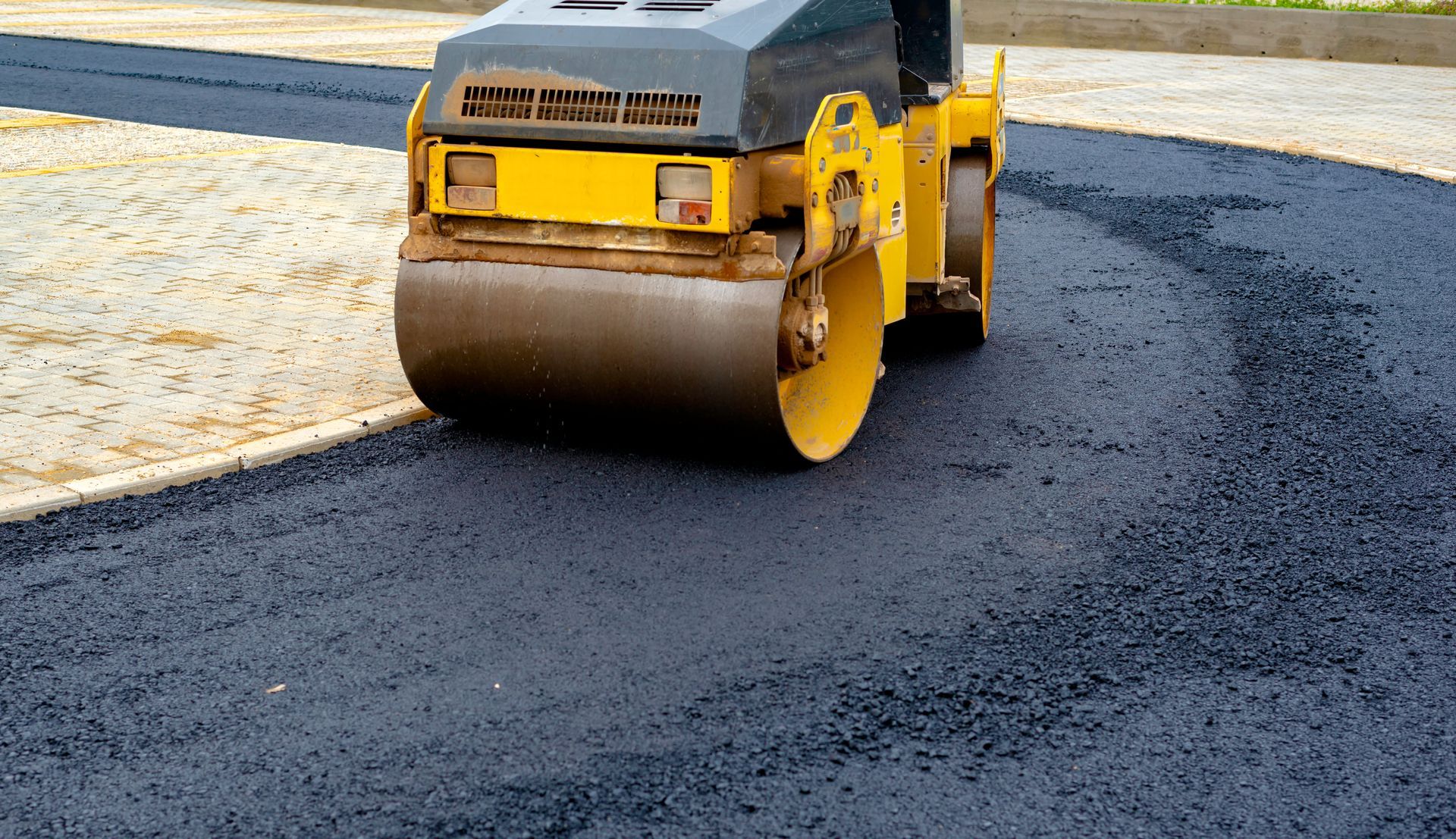
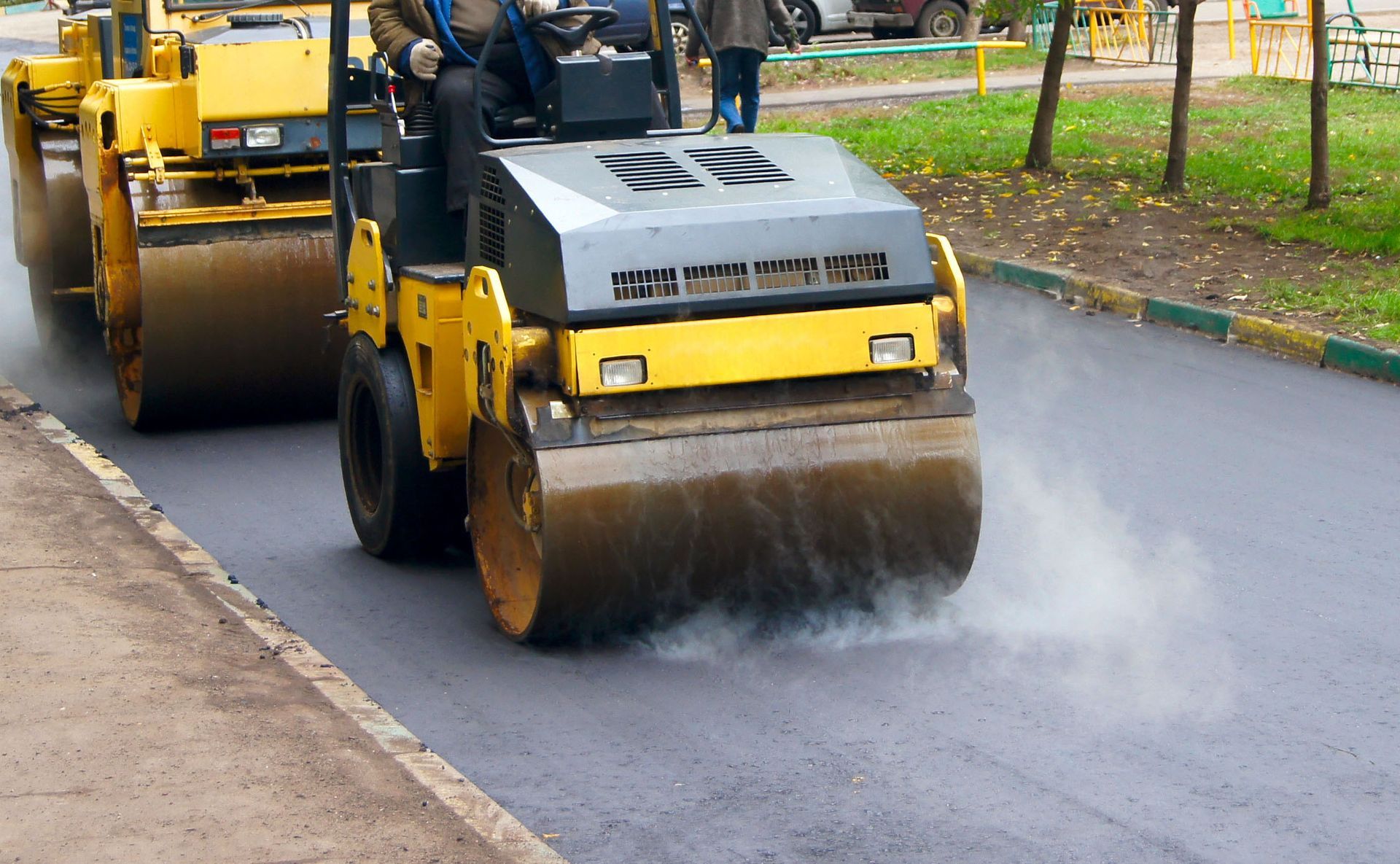
Different regions may employ varying compaction techniques based on their specific weather conditions and asphalt mix requirements. For instance, the rolling method, using heavy machinery, is common for achieving the required density and strength. Employing the right compaction methods ensures that the asphalt surface remains intact, minimizing maintenance needs and extending its service life.
Suspending paving activities during adverse weather conditions, such as heavy rain or extreme temperatures, is vital for achieving the desired compaction quality. This strategic approach not only protects the integrity of the pavement but also optimizes resource use by preventing costly repairs. As technology in paving machinery advances, compaction techniques continue to evolve, offering improved precision and efficiency.
The layering and thickness of asphalt pavements are key factors in their ability to resist weather-induced deterioration. The construction of multiple layers, each with its specific thickness, acts as a buffer against external elements. A standard pavement structure comprises a base layer, an intermediate layer, and a surface layer, each performing specific functions.
The thickness of these layers is determined based on expected traffic loads and environmental conditions. A thicker surface layer might be necessary in regions experiencing heavy snow and ice, as it provides additional protection against freeze-thaw cycles and wear. Optimizing layer thickness helps distribute loads effectively, preventing surface distortions and prolonging pavement life.
The interplay of layering and thickness is especially vital in areas with fluctuating temperatures, where expansion and contraction can lead to surface failures. Through thoughtful engineering and design, pavements can be built to withstand these stresses, ensuring a longer lifespan and improved safety for road users. Innovations in material science further enhance layer composition and structural integrity.
Controlling temperature during the paving process is crucial to achieving a durable and reliable asphalt surface. Temperature affects the compaction and bonding of asphalt, and improper management can lead to premature failures such as cracking and raveling. For optimal results, both asphalt mix temperature and ambient conditions must be carefully monitored.
During hot weather, asphalt can solidify too quickly, leading to inadequate compaction and weak bonding. Conversely, cold conditions may prevent the binder from setting properly, compromising pavement stability. Maintaining a balanced temperature during the laying process is essential in ensuring the pavement can withstand different weather extremes.
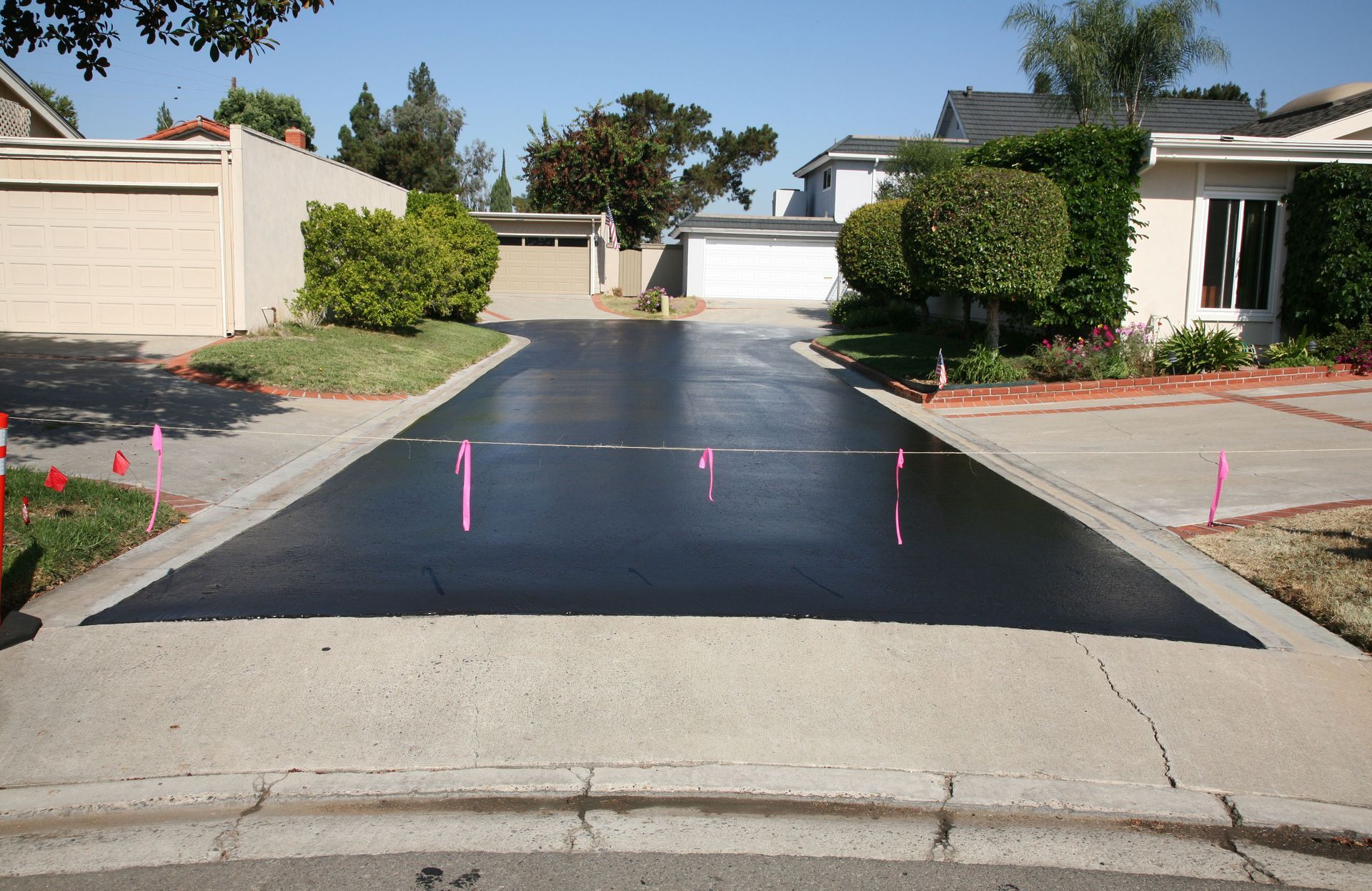
The use of infrared thermometers and other advanced monitoring tools assists workers in maintaining the ideal temperature range throughout the paving operation. This proactive approach, coupled with thorough planning, reduces the likelihood of weather-related defects and extends the longevity of the paved surface. Whether paving a driveway or a highway, temperature control is a critical component of successful asphalt construction.
Addressing Water Drainage and Its Effects
Effective drainage design is central to the longevity of asphalt pavements, particularly in areas with significant precipitation. As an experienced local asphalt contractor, we've noticed that poor drainage can lead to water pooling on the surface, causing damage such as rutting, potholes, and degradation. Designing pavement with adequate and efficient drainage systems prevents these issues from arising.
Drainage considerations include the appropriate slope and crown design, directing water off the pavement and into adjacent drainage areas. Additionally, installing comprehensive subsurface drainage systems can further enhance water management, protecting the pavement's structural integrity. Attention to detail in drainage design reduces the potential for water-related damage.
Innovations in drainage systems focus on increasing efficiency and sustainability. Modern practices often integrate landscape elements with traditional infrastructure design, enhancing water dispersion while also contributing to broader environmental goals. Thoughtful drainage planning is essential in maintaining functional and safe roadways despite variable weather conditions.
Porous asphalt is an advanced solution for addressing water management challenges in pavement design. Unlike traditional asphalt, porous asphalt allows water to permeate through its surface, reducing the risk of standing water and improving overall drainage. This permeability aids in flood control, making it particularly beneficial in flood-prone areas.
The unique design of porous asphalt involves a carefully crafted mix that maximizes void space without compromising structural integrity. These pavements effectively manage stormwater on-site, mitigating the overload of stormwater systems and adjacent land. Moreover, they contribute positively to recharging groundwater supplies, aligning with sustainable water management practices.
While porous asphalt offers many benefits, it requires precise installation and regular maintenance to preserve its functionality. The combination of enhanced drainage and environmental stewardship makes it an attractive option for communities looking to foster resilience against weather extremes. Expanded research and adaptation of porous asphalt are expected to drive its increased use in modern infrastructure development.
Standing water poses a significant risk to asphalt pavements, often accelerating deterioration and reducing lifespan. Beyond facilitating surface cracks and potholes, pooled water can lead to structural damage, compromising the integrity of the roadbed. Implementing solutions that prevent water accumulation is crucial in avoiding these negative outcomes.
Quality asphalt paving is far more than a construction task—it’s a strategic investment in long-lasting, weather-resilient infrastructure. When the right materials, precise mix designs, advanced paving techniques, and effective drainage systems work together, the result is pavement that withstands extreme temperatures, heavy moisture, and constant wear with confidence. As communities continue facing evolving climate challenges, prioritizing high-quality asphalt practices ensures safer roads, reduced maintenance costs, and infrastructure built for longevity. By understanding and applying these key principles, engineers, contractors, and municipalities can create surfaces that not only endure but consistently perform in even the most demanding conditions. For a
local asphalt contractor you can rely on, contact Edward's All County Paving today.




Share On: